
Hotel Service Etiquette Translation in English 涵盖了酒店服务的礼貌礼仪翻译,旨在提升客户与酒店服务的沟通效率,通过翻译,酒店可以更好地传达其服务理念,同时促进客户与酒店之间的良好互动和服务质量意识。
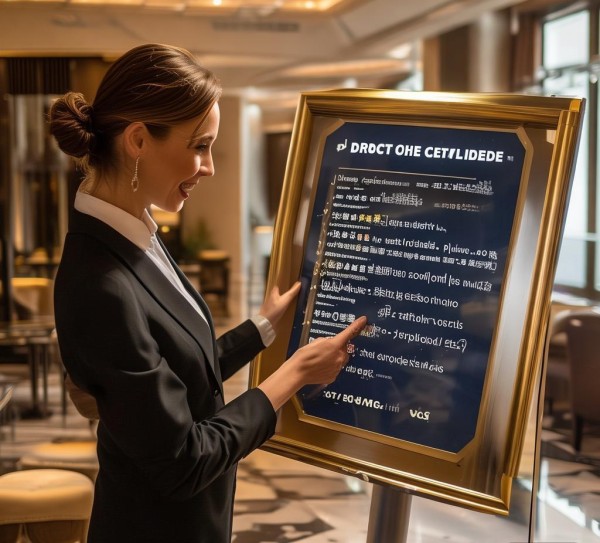
In the ever-evolving hospitality industry, maintaining a consistent and professional service is crucial for building trust and long-term relationships with guests. As one of the most important aspects of hospitality, hotel service etiquette encompasses a series of rules and expectations that ensure a positive and enjoyable experience for both the host and the guest. This article delves into the key aspects of hotel service etiquette, providing insights and best practices for guests and hosts alike. One of the primary responsibilities of a hotel manager or host is to ensure that their guests are treated with respect and professionalism from the outset. This includes establishing a polite and respectful greeting, such as "Hello" or "Good morning," before the guest's arrival. The host should also pay close attention to the guest's comfort and comfort level, ensuring that their needs and wants are addressed promptly. If the guest is uncomfortable or if there are concerns about their stay, the host may need to address these issues immediately, whether through a prompt correction or a more formal adjustment. Another critical aspect of hotel service etiquette is the proper handling of food and drinks. Guests are expected to respect the host's expectations for the types of food and beverages served, such as a specific course or volume of alcohol. If the host is unsure about the guest's preferences, it is recommended to politely decline any unwelcome suggestions and to avoid engaging in any discussions that could lead to further dissatisfaction. Accurate communication is essential in maintaining a good relationship with guests. Guests are often the ones who provide feedback on the quality of service, and a lack of communication can lead to repeat complaints. The host should promptly respond to any concerns or questions, whether through a polite message or a more formal resolution. Additionally, guests are encouraged to leave feedback in the guestbook or through other channels, as this can help the host improve the overall guest experience. In conclusion, hotel service etiquette is a complex and multifaceted system that requires careful attention to detail. By establishing a polite and respectful greeting, promptly addressing guest concerns, and ensuring that the host's expectations are met, guests can enjoy a safer and more enjoyable stay. For hosts, understanding and respecting their guests' needs while maintaining a professional demeanor is key to fostering long-term relationships and building a solid reputation for hospitality.